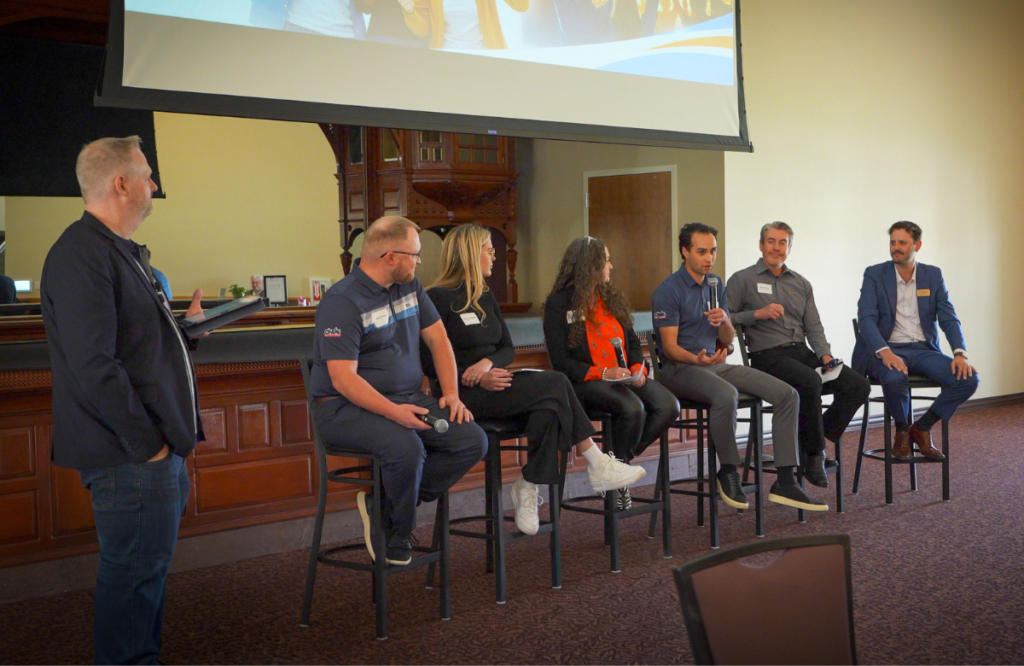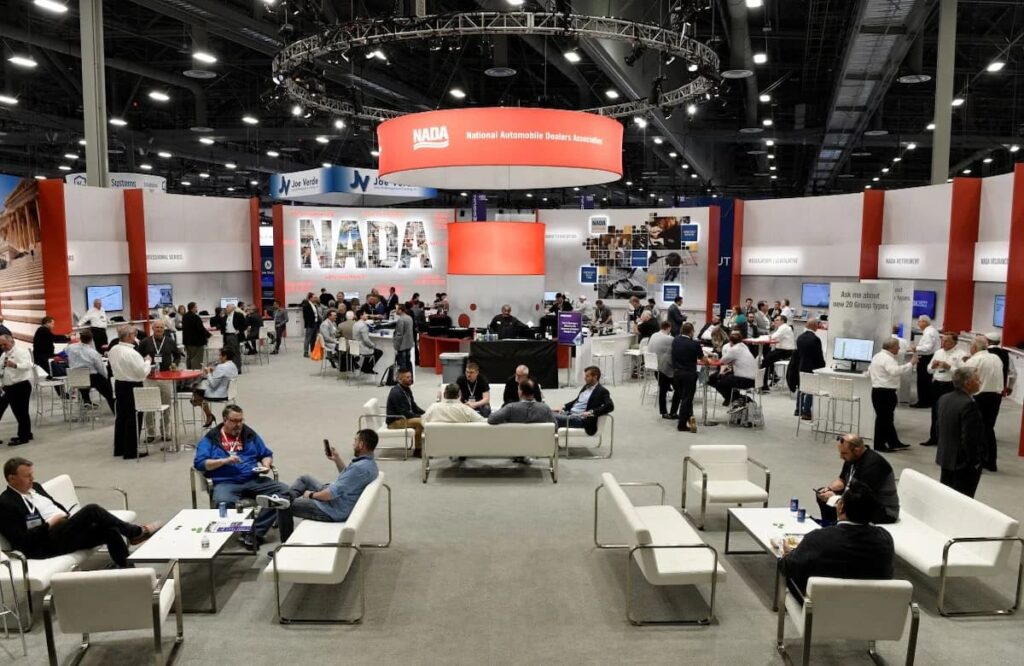

I recently had the privilege of speaking at a TEA (The ESOP Association) conference for employee-owned companies. After working closely with these types of organizations, one consistent theme continues to surface: marketing employee ownership is a significant challenge.
A quick definition for context: An Employee Stock Ownership Plan (ESOP) is a company-sponsored benefit plan that gives employees an ownership stake in the business. Employees accumulate shares over time, and the value of those shares grows with the company’s performance. In practice, this means employees are not just workers. They are co-owners with a direct financial interest in the company’s long-term success.
This structure has real potential as a business differentiator. However, in practice most ESOP companies struggle to translate that advantage into something employees understand and customers value.
The issue is not the structure. It is the communication.
Too often, “employee-owned” shows up as a line on a website or a statement in a proposal. It is technically accurate, but it does not explain why it matters. Without clear translation, ownership becomes a missed opportunity rather than a strategic advantage.
The Gap Between Ownership and Value
There are two common failure points in marketing ESOPs internally.
First, organizations over-explain the mechanics. They focus on plan structure, retirement benefits, and technical details that do not resonate with employees in their day-to-day roles or customers making decisions.
Second, organizations under-communicate entirely. Ownership is assumed to be understood internally and appreciated externally, neither of which is consistently true.
In both cases the result is the same. Ownership exists but it does not influence behavior, perception, or outcomes.
Reframing Ownership as a Strategic Advantage
Employee ownership becomes meaningful when it changes how a company operates.
Stronger ESOP organizations do not market ownership as a label. They translate it into behaviors and outcomes.
Ownership influences how decisions are made. It shapes accountability, impacts retention, and drives long-term thinking over short-term gains.
Those internal shifts create real business impact: more consistent service, stronger relationships, and higher quality execution. That is where differentiation begins.
Internal Clarity Drives External Credibility
Most ESOP companies try to lead with external messaging before establishing internal alignment. Unfortunately, that sequence is backwards.
If employees cannot clearly articulate what ownership means in their role, customers will not experience it in a meaningful way. Internal communication is not a supporting function. It is the foundation.
Ownership must be consistently reinforced through onboarding, leadership communication, performance expectations, and recognition. It has to move from a concept to a set of behaviors that show up daily.
Internally, the message should answer a practical question: What does ownership mean for how I do my job?
For example:
- An employee-owner in operations might hear: “When you flag a quality issue early, you’re protecting the company we all own together.”
- A salesperson might hear: “The relationships you build today are assets on our collective balance sheet.”
In practice, organizations that maintain longer employee tenure and stronger internal alignment often deliver more consistent customer experiences. Customers interact with the same people over time, issues are resolved faster, and trust builds more naturally.
When that alignment exists, external messaging becomes far more credible because it reflects reality.
Translating Ownership into Customer Value
Customers do not choose a company because it is employee-owned. They choose based on outcomes. The role of marketing is to connect ownership to those outcomes.
A simple framework helps guide this translation: Ownership behavior leads to business impact, which leads to customer value.
For example, if employee ownership drives long-term decision-making, the business invests more in quality and relationships. Customers then experience reliability and a trusted partnership.
The external message should lead with that outcome and support it with the ownership story. “Our people treat your project like their own, because in a real sense, they own this company.” That is meaningfully different from “We are employee-owned,” and far more likely to resonate.
This approach avoids generic claims and creates a clearer, more differentiated position.
Where Most Organizations Break Down
Even with the right intent, the execution often falls short.
Common issues include inconsistent messaging across departments, over-reliance on leadership voices, and a lack of clear proof points that demonstrate ownership in action.
In many cases, marketing is expected to solve the problem in isolation, without alignment across leadership, operations, and customer experience. That disconnect limits the impact of any external effort. Solving this gap requires more than better messaging. It requires alignment across strategy and execution.
Where Alignment Creates Value
Employee-owned communication is not just a messaging challenge. It is an alignment challenge. It requires coordination across strategy, leadership, internal communication, and external execution.
Organizations that approach these elements separately often struggle to create consistency. Internal messaging lacks clarity, external positioning feels generic, and ownership never fully translates into a differentiated experience.
A more effective approach connects strategy to execution across the organization. That includes defining a clear ownership narrative, aligning leadership communication, reinforcing it internally, and carrying that same message into the market.
The result is not just better messaging. It is consistency between what employees understand and what customers experience.
When internal clarity and external positioning are developed together, ownership moves from a concept to something that is visible, understood, and felt by both employee-owners and customers alike.
Moving from Structure to Advantage
After working with employee-owned companies and hearing directly from leaders, the pattern is consistent. Ownership alone does not create differentiation. How it is understood, applied, and communicated does.
The difference between ESOP companies that fully realize this advantage and those that do not is independent of the structure itself. It is how effectively ownership is activated across the organization.
Employee ownership has the potential to be a meaningful strategic advantage, but only when it is translated into behaviors, reinforced internally, and clearly communicated externally.
- Ownership must shape how decisions are made.
- Those decisions must create measurable outcomes.
- Those outcomes must be communicated in a way customers understand and value.
When this alignment exists, employee ownership moves beyond a structural benefit and becomes a true driver of engagement, trust, and long-term growth.
If your organization is working to turn employee ownership into a real competitive advantage, let’s connect!
About the Author
Adrian Rodriguez is a marketing strategist at Fusion focused on helping organizations align strategy, communication, and execution to drive measurable growth. His work centers on integrating marketing leadership directly within organizations, connecting leadership, internal alignment, and external positioning.